Leftovers are the most expensive food in your house. You’ve used money & time to buy, transform, prepare and cook them!
Bear with me, please, as this post is updated. Vegetables by type are getting their own pages; green beans are next, and tomatoes are coming soon.
This post contains general information that will work for almost all leftover vegetables, but vegetables by type either have or will eventually have their own pages. See the links at the bottom of the page.
Start to think about how any leftovers might be transformed into something marvelous. As a building block for recipes that rely on an already cooked ingredient; as a shortcut. All you need is inspiration & maybe a recipe.
Think of the recipes you’ll use as “guides,” not something set in stone, especially as the amounts of your leftovers might not exactly match an amount in a recipe. Once you have a leftover ingredient to start with, scale recipes up or down, substitute, and make do.
Vegetables, General:
If you haven’t used a whole vegetable, wrap it in plastic and store it in the door of the fridge, where you’ll see it and remember to use it. Think of leftover vegetables whenever a recipe already calls for cooked vegetables and use them as a shortcut.
Always keep Food Safety in mind when cooking or dealing with any leftovers.
This slideshow requires JavaScript.
1. egg dishes:
Add vegetables to your frittatas, omelets, and scrambled eggs. Many vegetables can be added to egg dishes, and leftovers will save you time by eliminating the need to sauté them in the morning.
2. soups:
Reheat leftover vegetables in soups or use them to make a new soup. Save veggies on their own or in a combination of flavors that go well together. Just add to a Ziploc bag, freeze, and keep adding until you have enough.
3. casseroles:
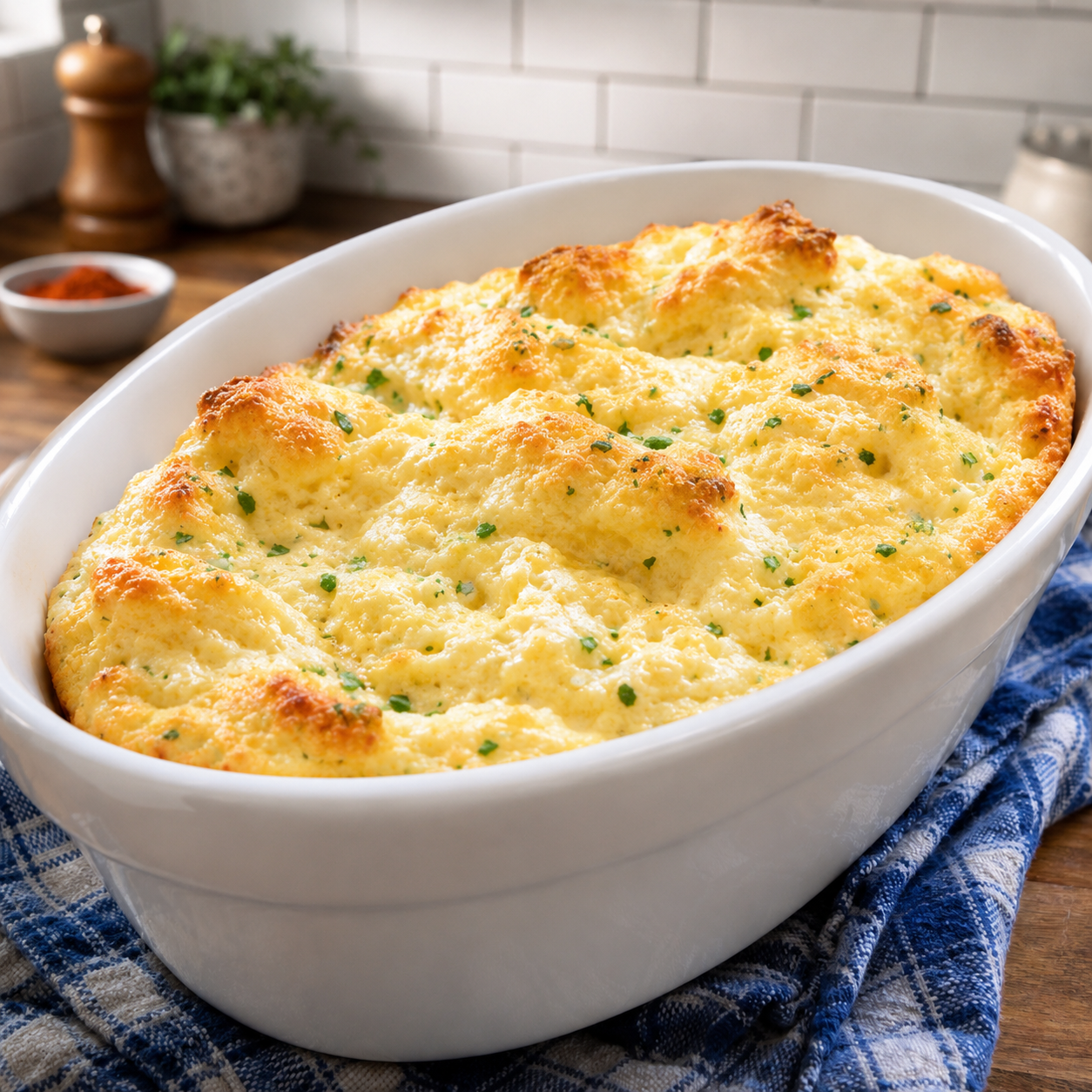
Since most casseroles start with precooked vegetables, it’s a no-brainer to use your leftover veggies in one.
4. cheese it:
Transform lackluster leftovers with a simple cheese sauce.
5. cream it:
Reheat with cream or a white sauce to revive those leftover vegetables for a second meal.
6. pizza:
So many veggies are great on top of a pizza, and leftover ones, already cooked, are even better.
7. pickle or marinate:
Pickle or marinate vegetables and use them as a side, an appetizer, or a condiment. This works best if no butter has been used and the vegetable is tender crisp. Think Asian, Mexican, or traditional American Pickles.
8. smoothies:
Add to veggies and/or some veggie scraps your green smoothies like my Big, Fat Green Smoothie, or use with a combination of fruit for a more palatable option.
9. respice and reheat:
Sprinkle generously leftover vegetables with your favorite spice mixtures and reheat with a little butter.
10. hash:
Add veggies to potatoes or sweet potatoes and fry up a marvelous hash, or just make any potato hash on its own, maybe with beef or corned beef..
11. stuff:
Stuff vegetables with vegetables! Toss them into the mix for Stuffed Peppers or other Stuffed Vegetables.
12. bubble & squeak:
Fry cabbage in a saucpan, add mashed potatoes, and mix together. Try adding grated cheese, form into cakes, dust with flour, and pan-fry till golden. These little cakes freeze well.

Salmon and Asparagus Hash
Specific Vegetables:
I gave you some general ideas for almost any vegetable above, but you’ve got to find your way when dealing with a specific type of leftover vegetable. Below are a few ways to make those shine!
Scroll towards the bottom of the page to see links for leftover Cruciferous, Asparagus, Root Vegetables, Corn, and leftover Crudité Platters, which now have their own pages.

Summer Bean Salad
Green Beans:
Fresh beans go fast in the fridge! If you’re afraid you won’t get to them in time, do a quick blanch in boiling water, shock them in cold water, and trim them when you’re ready to use them. Those brownish spots? It’s called rust, and it’s harmless, but it multiplies quickly. Here are a few ideas to use up any, some, and an excess of fresh, others are better for leftovers, when already cooked beans give you a leg up.
1. three-bean salad:
Make my Three Bean Salad. Or use the same method for any bean salad. It’s not set in stone that you’ll need all three beans, and that dressing is great!
2. add to a salad:
This salad has all kinds of good stuff in it: quinoa, a poached egg, and asparagus. Just swap out green beans for the asparagus, and it’s just as good.
3. Another salad, Cold Tuna Salad with Green Beans, is a modern version of Salad Niçoise.
3. take out style:
Transform those beans into marvelous Take Out Style Beans. Sauté them quickly so they don’t turn to mush.
4. summer salad:
Shown above, this Summer Salad has a few surprises. It’s truly outstanding – a fresh play on succotash is the best way I can describe it. It’s a great way to use leftover sweet corn and/or lima beans, too.
5. simple green bean tomato salad:
I usually cook beans for this quick and easy dish, Green Bean and Tomato Salad, but save a step with leftover green beans.

Greek Panzanella
Cucumbers:
1. pickles:
Try my craveable Sweet Tart Bread and Butter Pickles or this more traditional Bread and Butter Pickle. Both are outstanding, take minutes to make, and need at least two hours in the fridge.
2. add cream:
It’s a thing. Add a little cream or sour cream, maybe a touch of vinegar. Add some celery seed, caraway, or dill if you’d like. A touch of sugar never hurt. For a more formal recipe, see my Cucumbers in Sour Cream Salad.
3. tzatziki:
It doesn’t take a lot of cucumber to make Tzatziki, and it’s marvelous as a dip for veggies or a spread in all kinds of sandwiches.
4. appetizer:
Cut into large slices and top with goat’s cheese, maybe mixed with your favorite herbs, or if goat cheese isn’t your thing, use another soft cheese.
5. salad:
So simple, I’m afraid to mention it, but toss cucumbers in your favorite salad, or add to Panzanella, like this Greek Panzanella, or use in Asian Salads, there’s hardly an end to easy recipes using cucumbers.

Fresh Pea Pesto
Peas:
1. soup:
I love this Cream of Spring Vegetable Soup, with the quaint name of “Potage,” and already cooked, leftover peas would be ideal. If the peas have been flavored or cooked with herbs, that’s just going to lend a little extra flavor.
2. pea pesto:
Smash them up, add a few herbs: basil, mint, etc., or a combination, and serve over pasta or on toasts for a kind of pea pesto. I’ve been using this recipe, but if not enough peas, fortify it with another vegetable, maybe broccoli.
3. pea salad:
There’s the classic Pea Salad, and then there are a few upgrades. Peas & Salmon are a great combo. Check out my post on What To Do With That Canned Salmon Lurking in Your Pantry.
4. add to creamed dishes:
Peas are often added to creamed dishes like Chicken a la King or Chicken Pot Pie. Don’t do this if your peas are already well-cooked, or they just won’t taste fresh with the additional cooking.
5. toss in creamy pasta:
Pretty much a no-brainer. Add peas to creamy Alfredo-type pasta dishes, just at the end to heat through. They’ll add a little texture, color, and a healthy aspect.

What To Do With Too Many Green Peppers
Peppers: Bell Peppers, Poblanos, Jalapenos, and Others.
1. roast & freeze:
Assuming the peppers you’re dealing with are raw, any pepper can be roasted under the broiler, on a grill, griddle, or comal, or over a flame. Steam them in a covered bowl, peel, deseed, and freeze in usable sizes.
2. jelly:
Any pepper, hot or mild, can be made into a pepper jelly. Scale down a recipe if you’d like. It doesn’t take many peppers to make, and if you make a small batch, just refrigerate instead of canning.
3. honey glaze:
Finely dice jalapenos or serranos, saute for a minute in a little butter, then add honey. Brush over cornbread or savory muffins. See my Famous Dave’s Cornbread for a recipe to riff off.
4. make a spread:
Don’t waste the little bits around the stem when you’re prepping. Finely dice and mix with a little cream cheese for a sandwich or bagel spread.
5. way too many green peppers:
Check out my post conveniently called Too Many Green Peppers!

Wilted Kale Salad with Acorn Squash and Warm Cranberry Vinaigrette
Hard Squash:
1. salads & bowls:
Add to salads and salad bowls. Think of mixing grilled butternut or acorn squash with greens, brown rice or quinoa, drizzled with a lemon yogurt, balsamic, or tahini dressing. We loved this Wilted Kale Salad.
2. puree:
If your squash is cooked, puree and serve again. Add herbs and a drizzle of olive oil if you’d like.
3. add to soups:
Squash can be added to soups, pureed, or in chunks.
4. baked goods:
Back in the day, it was trendy to use applesauce in baked goods to replace some of the eggs, oil, and dairy. Pureed Squash can be used the same way.
5. pies:
Squash is just excellent in pies, any hard squash, not just pumpkin. Substitute pureed squash for the same amount of pumpkin. Here’s my recipe for Pumpkin Puree. You can riff of it for squash.

Pumpkin Spice Latte
pumpkin puree:
1. desserts:
Always the no-brainer when dealing with pumpkin. If you’ve used pumpkin for something else, though, and have leftover, think about pie (I have several on the blog), but flan, cheesecake, or these Pumpkin Cheesecake Parfaits also come to mind.
2. lattes:
To use up just a bit of pumpkin puree, think about Pumpkin Spice Lattes.
3. add to soups:
Pumpkin, just like any hard squash, can be added to soups, pureed, or in chunks.
4. pancakes:
I have always liked pumpkin pancakes and finally here is the one that I love!
5. oatmeal:
Add pumpkin to your morning oatmeal, along with pumpkin pie spice.
6. seeds:
Don’t forget to roast the seeds. Here’s how to roast them perfectly with lots of flavor, and the secret is to brine. The seeds can be held in the fridge in the brine, too, until you have time to roast them off.

Grow your own herbs – bring them inside during winter – photo from outdoor.com
Herbs
1. air dry:
Almost any fresh herb that isn’t fleshy can be dried in small quantities. Don’t let them wilt and throw them away! Just spread them on a plate, let them air dry, and put them in Ziploc or jars. Label. For larger quantities, loosely tie and hang.
2. microwave:
Add a couple of paper towels to a plate. Place the softer, fleshy herbs on the plate, and cover with a couple more paper towels. Microwave in 30-second increments, moving around as needed, until dry.
3. freeze in oil:
You’ll never catch me freezing herbs in ice-cube trays; after they’re popped out and put in a Ziploc, they take up a lot of room, deteriorate, and eventually meld together. (And the ice cube tray needs to be cleaned.) Instead, chop and measure the herbs by the tablespoon or cupful and add to the bottom of a freezer bag. Add an equal amount of oil. Push everything down to the bottom and freeze. You might need to prop or balance until frozen, then roll up. When needed, just break off a chunk by bending the Ziploc, then open and remove it.
4. flavored oils:
Save your herbs or scraps of them to add to or blend with olive oil for a finishing oil. Its good for toasted breads, soups, steaks, or you name it. Use your judgment as to what will taste good. Basil and chives come to mind immediately, and this Cilantro Lime Oil is excellent. Use asap; there is a risk of botulism, which grows in airless solutions (like oil).
5. green sauces:
Make pesto, chimichurri, chermoula, or other sauces from your veggie tops and leftover herbs. Heck, toss some greens in there if you’re so inclined.
6. green sauces:
Grow your own herbs; they’re much less than buying. Save the stems of parsley and some of the soft herbs in the freezer. They can be added to soups, stocks, pots of beans, etc., to help get you through the winter. Just toss them in a Ziploc.

Spa Water on a Budget: This one is made from cucumber seeds and peelings
vegetable parings & potential waste
When buying fresh vegetables, there’s going to be more waste than when buying canned or frozen. You’ve paid for it, so here are a few ways to turn potential waste into a positive.
1. stock:
Keep in a bag in the fridge or freezer for any carrot tops and peelings, celery pieces, onion skins, and other bits of vegetables (use your judgment as to how well something will keep or how it will taste), and add to your Chicken or Turkey Stock, Ham Stock, or vegetable stock, of course. Make sure to scrub first. (Turnips or rutabagas add wonderful flavor to a stock.)
2. vegetable stock:
A traditional meat stock is great, but think about Vegetable Stock, too. Just about anything goes. Here’s a recipe from The Kitchn.
3. dehydrate:
Use the tough stems from kale, chard, or other greens, or beet tops, and toss them in the oven on low to dehydrate them. When totally dry, pulse in a blender, and you’ve got a homemade vitamin-packed powder to add to your morning green smoothie. Some people dehydrate whole leaves and EAT them, claiming to like them, btw. (You can see I haven’t jumped on the bandwagon, lol!)
4. smoothies:
Save all kinds of vegetable (and fruit) pieces and parts and use them in your morning Green Smoothies. Think “nutrient-packed” items like asparagus & broccoli stems, herb stems, and so on. Leave out seeds.
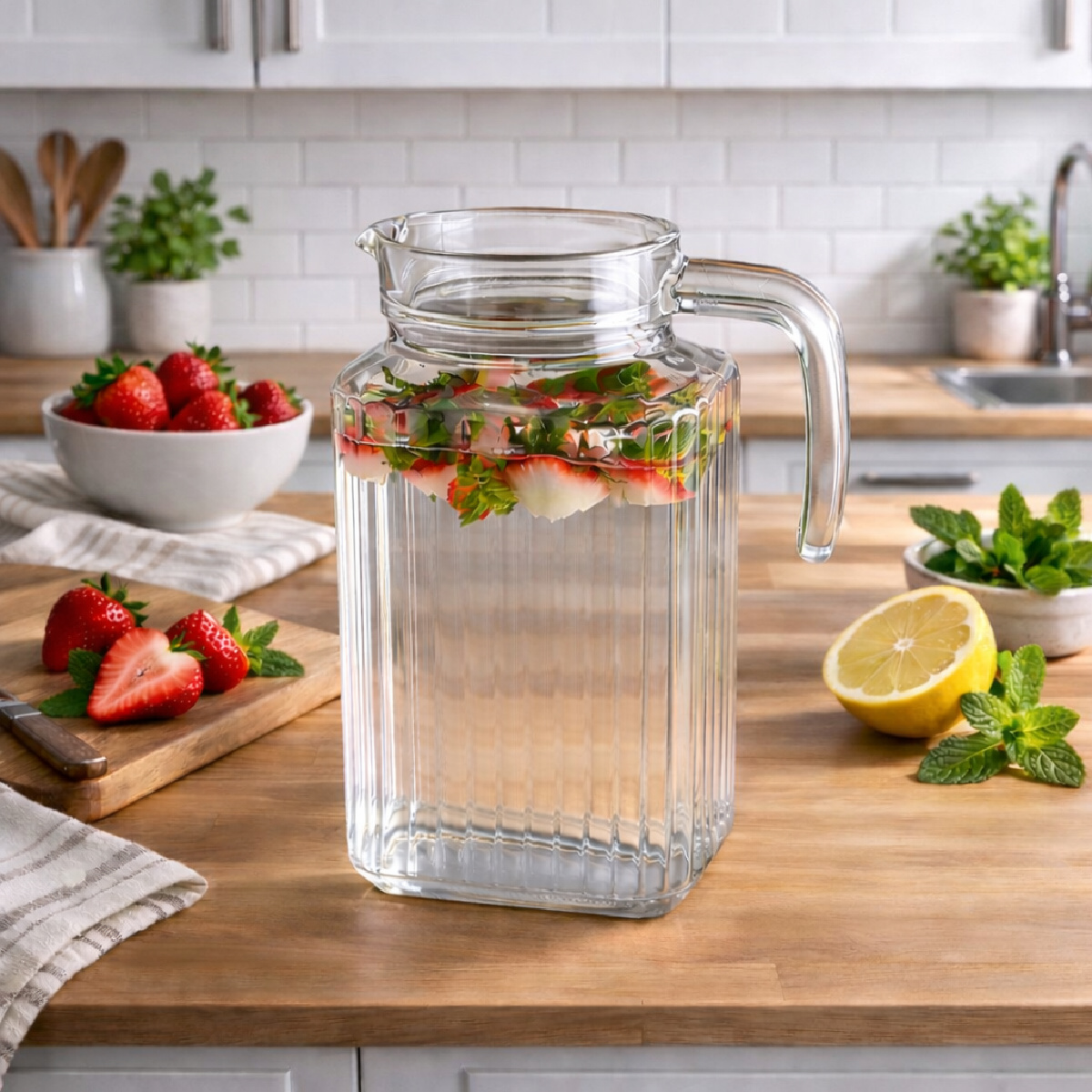
5. spa water:
Make Spa Water with certain vegetable/fruit parings: Tomato, Bell Pepper, and Cucumber are wonderful. Others may be not so much. Most fruit works great. Use your judgment.
6. use cooking liquid:
Save the nutrient-rich water you cook vegetables in and use it in your soups, sauces, gravies, or smoothies. Make sure the vegetables are properly cleaned, aren’t overly salty, and the water isn’t bitter. If it looks and tastes good, you can use it. If you’re prone to kidney stones, be careful of oxalates (your doctor should give you a list, but spinach is one, and swiss chard is another).

Vegetable Scraps for broth or stock
Your Input
I’m always looking for new ideas – what are your favorite ways to use your leftover or too many vegetables & herbs?
leftover vegetables by type
Slowly but surely, I’m updating this page and making new pages for leftover vegetables by type. There are just so many different kinds, and this page has gotten long! Bear with me! In the meantime, here are the pages I’ve finished.
Other Helpful Links: